salakhalimunmountain.com – When you think of a rainforest, you might imagine towering trees and dry trails, but there is a hidden, darker, and much more mysterious side to the Halimun Salak National Park that many travelers never truly see. High in the mist-shrouded ridges and tucked into the silent valleys lies a landscape that feels like it belongs to another era of the Earth. These are the peat swamps and highland bogs of Mount Halimun. To walk near these areas is to feel the ground soften beneath your boots and to smell the deep, ancient scent of earth that has been wet for a thousand years. The importance of peat swamps in Halimun Salak cannot be overstated, as they are not just interesting geographical features; they are the silent heart of the mountain’s water system and a critical shield against the changing climate of our world.
The Architecture of a High Altitude Peat Swamp
Understanding the Organic Foundation
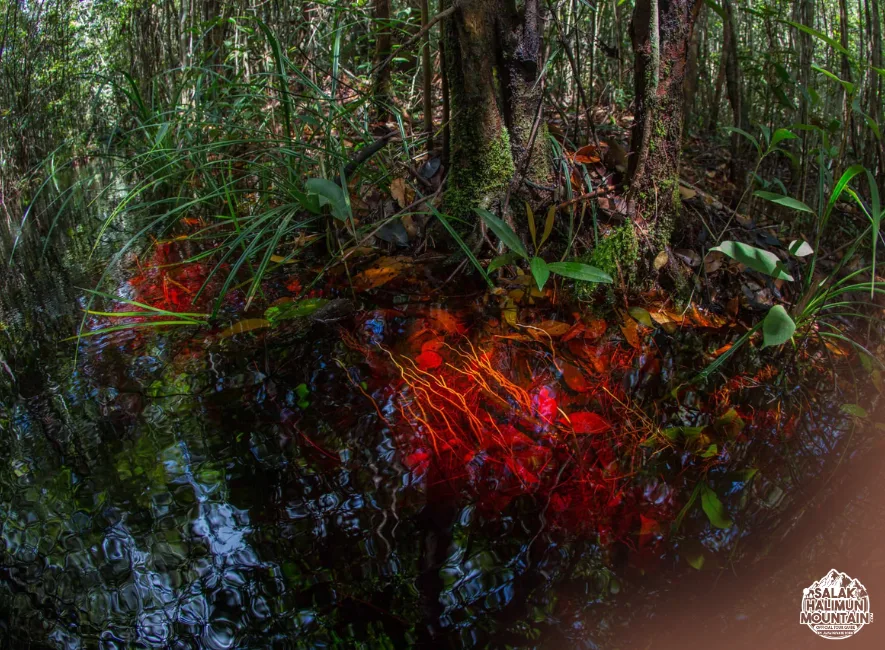
A peat swamp is a very special kind of wetland. Unlike a regular swamp where water might move quickly, a peat swamp in the highlands of Halimun Salak is a place where organic matter, such as fallen leaves, branches, and moss, accumulates in stagnant, acidic water. Because the water is so low in oxygen, these materials do not rot away as they would on the forest floor. Instead, they pile up over centuries, creating a thick, dark, sponge-like layer of peat. When you stand at the edge of one of these areas, you are literally standing on thousands of years of stored forest history. The air here is often cooler, and the mist seems to cling to the surface of the dark pools, creating an atmosphere that is both eerie and incredibly peaceful.
The Role of Water Saturation
The defining characteristic of these swamps is their constant saturation. The heavy rainfall that characterizes Mount Halimun is caught and held by the peat. In the deep rainforest, the ground acts as a giant reservoir. This water does not just sit there; it is filtered and purified by the layers of organic matter. As a guide, I often explain to my guests that these swamps are like the kidneys of the mountain. They take the raw, heavy rain and turn it into the crystal clear streams that eventually feed the waterfalls and rivers below. Without the peat swamps, the water cycle of the entire region would be faster, more violent, and much less reliable for the communities that live downstream.
Nature’s Great Sponge and Water Regulator
Preventing Floods and Managing Flow
One of the most vital functions of the peat swamps in Halimun Salak is flood control. During the peak of the monsoon season, the volume of water falling on the mountain is staggering. If the mountain were nothing but hard rock and thin soil, this water would rush down the slopes immediately, causing devastating floods in the lowlands and cities like Jakarta. However, the peat swamps act as a giant natural sponge. They absorb the excess water, holding it within their deep, fibrous layers and releasing it slowly over time. This buffering effect is what keeps the rivers flowing at a steady pace, even when the rains are heavy, protecting the homes and farms of thousands of people.
The Guardian of the Dry Season
Conversely, during the rare dry spells that affect West Java, these peatlands become even more precious. Because they have stored so much water during the rainy months, they continue to feed the mountain streams long after the clouds have cleared. When other areas of the forest might begin to feel the stress of heat, the areas surrounding the peat swamps remain lush and green. This constant supply of moisture is essential for the survival of the rainforest’s most delicate plants, such as the wild orchids and rare ferns that can only thrive in high humidity. For the traveler, these areas represent a sanctuary of coolness and life that never truly fades, regardless of the season.
The Carbon Vault of Mount Halimun
Mitigating Climate Change Silently
In the modern world, we hear a lot about carbon footprints and the importance of trees, but peat swamps are actually some of the most efficient carbon stores on the planet. Because the organic matter in the swamp does not fully decompose, the carbon that the plants pulled from the atmosphere while they were alive stays trapped in the peat. A single hectare of healthy peat swamp can store significantly more carbon than a hectare of regular dry forest. In the Halimun Salak region, these highland bogs act as a silent vault, keeping vast amounts of carbon safely tucked away in the earth. Protecting these areas is one of the most effective ways we can help fight global warming right here in our own backyard.
The Danger of Disturbance
The flip side of this carbon storage is the risk that comes with disturbing these sensitive areas. If a peat swamp is drained or cleared, the organic matter is exposed to oxygen and begins to decompose or, even worse, becomes highly flammable. This releases all that stored carbon back into the atmosphere in a very short amount of time. This is why our mission at salakhalimunmountain.com focuses so heavily on responsible trekking. We ensure that our paths never damage the integrity of these wetlands. We want our guests to appreciate the beauty of the swamp without leaving a footprint that could disrupt this ancient, delicate balance of carbon and water.
A Unique Oasis for Biodiversity
Specialized Flora of the Peatlands
The acidic, nutrient poor water of the peat swamps has forced the local plants to become incredibly creative. You will find species here that you won’t see anywhere else in the park. One of the most fascinating examples is the pitcher plant, or Nepenthes. Because the soil lacks nitrogen, these plants have evolved to “eat” insects, trapping them in slippery, liquid filled jugs. The sight of these exotic plants hanging over a dark, misty pool is something straight out of a fantasy novel. We also find specialized mosses and sedges that have adapted to the waterlogged conditions, creating a soft, green carpet that looks inviting but is actually quite deep and treacherous for the unwary traveler.
Fauna of the Misty Wetlands
The quiet and the constant moisture make the peat swamps a haven for amphibians and insects. Rare frogs, some with skins that perfectly mimic the mossy peat, can be heard calling in the evenings, creating a chorus that is unique to the wetlands. These areas also support a wide variety of dragonflies and damselflies, which dart over the water like living jewels. Even larger animals, like the Javan Barking Deer or the Javan Warty Pig, frequent the edges of these swamps to drink the cool, filtered water. While the deep jungle is full of life, the peat swamps offer a more concentrated, specialized view of nature’s ability to adapt to even the most challenging environments.
Cultural Connections and Local Wisdom
The Sacred Water Sources
For the local Kasepuhan communities that live around the Halimun Salak National Park, water is more than just a resource; it is a sacred gift. Many of the springs that originate in or near the peat swamps are considered holy or are protected by local customs. There is a deep understanding among the elders that the health of the mountain’s “wet heart” determines the prosperity of the rice fields below. This traditional wisdom aligns perfectly with modern ecology. When we visit these areas, we do so with the same respect that the locals have shown for centuries, acknowledging that we are guests in a place that sustains life far beyond its own boundaries.
Sustainable Traditions and Conservation
The Kasepuhan philosophy of “Leuweung Titipan” or the trusted forest, means that certain areas are meant to be left alone for future generations. Many of the most important peatland areas fall under this category. By following these local traditions, the community has effectively protected the watershed for hundreds of years. As guides, we bridge the gap between this ancient wisdom and our guests, explaining how the spiritual respect for the land has a direct, scientific benefit for the environment. It is a beautiful example of how culture and nature can work together to protect a landscape as vital as the Salak Halimun highlands.
The Experience of a Peat Swamp Trek
Sensory Storytelling on the Trail
Walking near a peat swamp is a sensory experience like no other. The first thing you notice is the sound. The dense peat and the surrounding forest tend to muffle noise, creating a “dead” acoustic that makes every snap of a twig or call of a bird stand out with startling clarity. Then there is the smell, a rich, earthy, and slightly sweet aroma of ancient moss and damp wood. The light is often filtered through thick fog, casting a soft, silvery glow over the dark water. It feels as though time has slowed down. We always encourage our trekkers to stop and simply breathe in this atmosphere, feeling the coolness of the mist on their faces and the softness of the earth beneath them.
Photography and Observation Tips
For photographers, the peat swamps of Mount Halimun are a dream. The contrast between the dark, reflective water and the vibrant green mosses creates stunning compositions. The mist provides a natural softbox, evening out the light and adding a sense of mystery to every shot. We recommend using a macro lens to capture the tiny details of the pitcher plants and the dew drops on the sundews. However, patience is key. Because these areas are so quiet, the wildlife is very sensitive to movement. If you sit still for long enough, you might see a rare bird or a colorful frog emerge from the shadows, providing a glimpse into the secretive life of the swamp.
Protecting the Heart of the Mountain
The Importance of Staying on Path
Because peat is composed of soft organic matter, it is extremely vulnerable to compaction. If too many people walk directly on the peat, it loses its ability to hold water and its structure collapses. This is why we are so strict about staying on the designated trails and using boardwalks where they are available. Every step taken off the path can damage a system that took centuries to form. By walking responsibly, we ensure that the “sponge” remains functional and that the water continues to flow clean and steady for everyone who depends on it. Ecological respect is not just a rule; it is the foundation of our relationship with the mountain.
Joining the Mission of Conservation
When you choose to visit Halimun Salak with us, you are supporting the protection of these vital peatlands. A portion of every trip goes toward maintaining the trails and supporting the conservation efforts of the national park. We believe that by showing people the beauty and the importance of these swamps, we create a new generation of advocates for their protection. The rainforest is a complex machine, and the peat swamps are one of its most important parts. They are the guardians of our water, the vaults for our carbon, and the home for some of our most exotic species. Together, we can ensure that the misty heart of Mount Halimun remains wet, wild, and wonderful for all time.
So, if you’re ready to explore the wonders of Mount Salak Halimun, head over to our ONLINE BOOKING PAGE and let’s start planning your adventure. Or simply CLICK THIS LINK to chat with us on WhatsApp.
With our team, you’re not just getting a guide; you’re gaining a local friend who will ensure your trip is nothing short of extraordinary.